 comparison
4D Scan vs 3D Scan in Nottingham: What's the Difference?
Table of Contents
- 4D Scan vs 3D Scan: The Core Difference
- Quick Comparison: 3D vs 4D Scans at a Glance
- The Best Time for a 4D Scan
- Ultrasound Scan Safety UK: What the Evidence Says
- Private Pregnancy Scans Nottingham: What to Expect
- Choosing Between 3D and 4D for Your Scan
- Frequently Asked Questions
Last Updated: September 14, 2026
4D Scan vs 3D Scan: The Core Difference
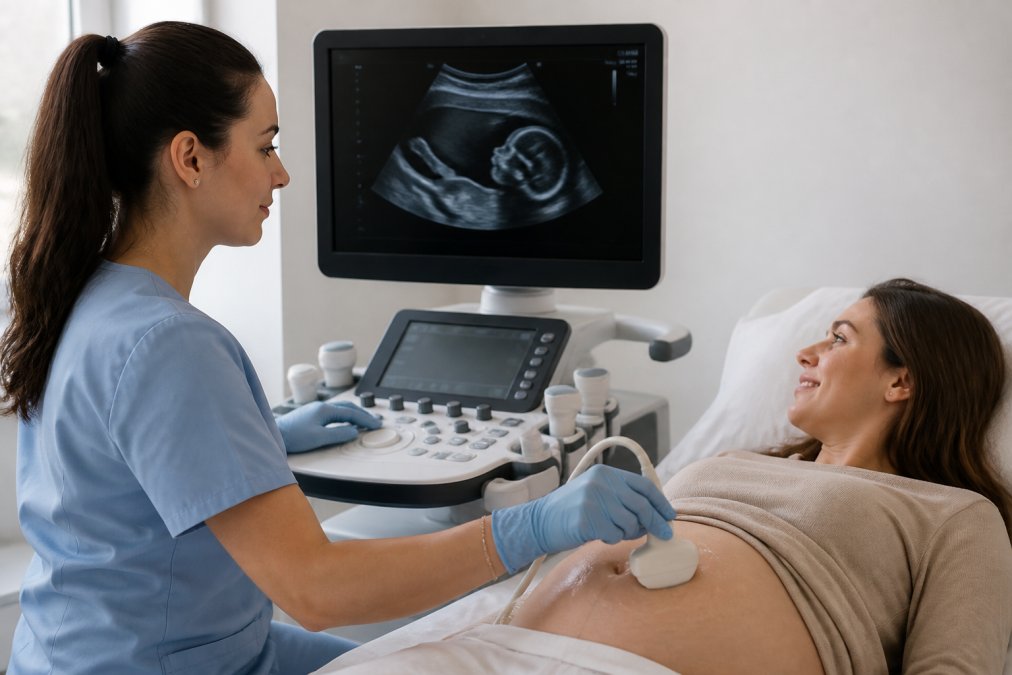
In any 4D scan vs 3D scan, a 3D scan produces a still, three-dimensional image of your baby, while a 4D scan adds the dimension of time and shows those images as live movement. That single distinction drives everything else: what you see, how long the appointment takes, and which scan suits your stage of pregnancy.
The technology behind both is the same. According to the National Center for Biotechnology Information's review of 3D and 4D ultrasound, 4D imaging is achieved by repeating 3D images at short intervals, and both are considered as safe as standard B-mode scans. At Little Stars 4D Scan, we explain this difference to every parent before they choose, because the right option depends on what you actually want from the appointment.
What a 3D Scan Shows
A 3D scan is a static three-dimensional image built from multiple angles, giving a clear view of facial features, hands and feet at a single moment in time. In first-trimester scanning, volume datasets can also provide diagnostic views of fetal anatomy in both 2D and 3D, as documented in Infant Journal's review of early pregnancy imaging. Think of it as a detailed photograph rather than a video.
What a 4D Scan Adds
A 4D scan adds real-time motion to that 3D image. According to Little Stars 4D Scan's guide to 4D baby scans, parents can watch movements such as yawning, stretching and smiling as they happen, and the session can be recorded. The trade-off is time: 3D and 4D scans typically require longer scanning sessions and may use higher energy levels than standard 2D scans, as noted by the London Pregnancy Clinic's overview of scan types.
Quick Comparison: 3D vs 4D Scans at a Glance
The table below summarises the practical differences most parents ask about.
| Feature | 3D Scan | 4D Scan |
|---|---|---|
| Output | Still 3D image | Live 3D movement |
| Best for | Facial detail, keepsake photos | Watching movement, video recordings |
| Session length | Shorter | Longer |
| Typical stage | From around 24-32 weeks | From around 24-32 weeks |
| Recording available | No | Yes |
Both options fit within a routine anatomy scan for most patients without significantly extending scanning time, according to PMC's research on integrating 3D and 4D imaging.
The Best Time for a 4D Scan
The best time for a 4D scan is generally between 24 and 32 weeks, when your baby has enough fat under the skin for clear facial detail but still has room to move. Before 24 weeks, features are less defined; after 32 weeks, babies often settle head-down and limbs obscure the face.
Timing also matters for what you want to see. If you are hoping to catch yawning or stretching, earlier in that window tends to work better. If you want the clearest possible still image, later in the window often delivers. A sonographer can advise on the ideal point for your pregnancy.
Ultrasound Scan Safety UK: What the Evidence Says
Ultrasound scan safety in the UK rests on two principles: scans should be performed by trained professionals, and they should be justified by a clinical or bonding purpose. The Health and Care Professions Council and the Society of Radiographers set the professional standards that registered sonographers must meet.
The evidence base is reassuring. The NCBI review confirms that 3D and 4D imaging carry the same safety profile as standard scans. The honest caveat is exposure time: because 4D sessions run longer, they involve more scanning time overall. That is why reputable providers keep sessions focused and do not offer unlimited scanning.
Private Pregnancy Scans Nottingham: What to Expect
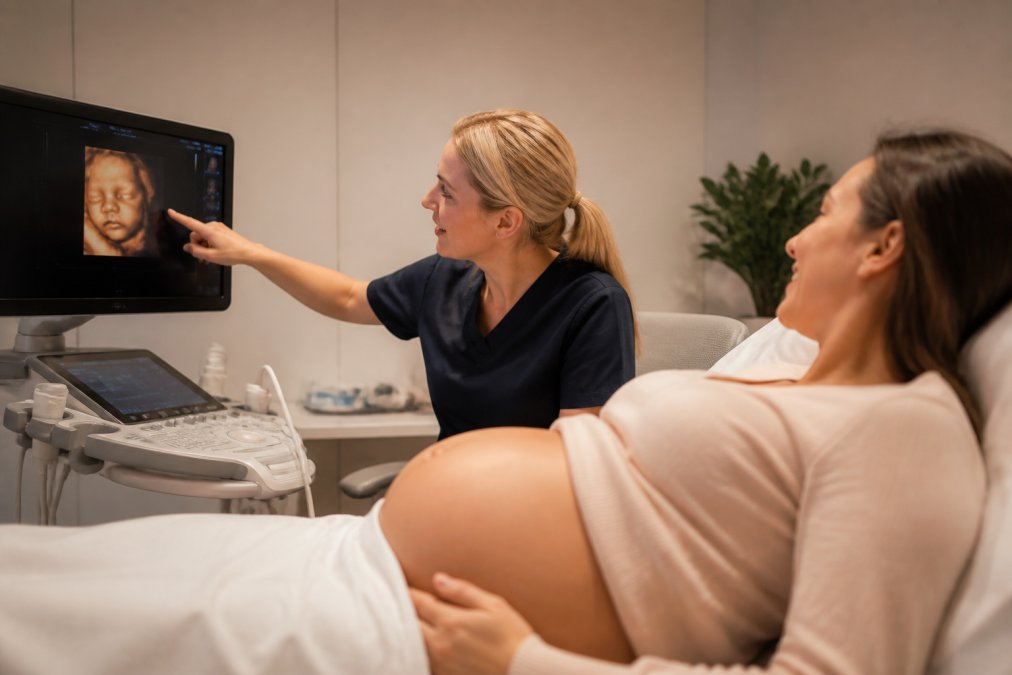
Private pregnancy scans in Nottingham typically involve a booked appointment, a scan performed by a qualified sonographer, and a written report you can share with your GP, consultant or midwife. At Little Stars 4D Scan, appointments are available same-week with no GP referral required, and every scan is carried out by a female sonographer registered with the HCPC, BMUS or SoR.
The city's maternity services have been under close review. The Ockenden Report into maternity services at Nottingham University Hospitals NHS Trust, published in June 2026, examined care standards across the trust. That context is one reason many parents choose a private scan for reassurance and a clearer, unhurried explanation.
Choosing Between 3D and 4D for Your Scan
Choose 3D if you want a clear still image to keep, and 4D if you want to watch your baby move and take home a recording. There is no wrong answer, but the practical differences matter:
- For a keepsake photo: 3D gives you a sharp, detailed still.
- For a video to share: 4D captures movement and expressions.
- For reassurance and bonding: either works, and 4D adds the emotional pull of live motion.
- For a diagnostic report: both can sit alongside a standard 2D assessment, which remains the clinical baseline.
If you are weighing up private care, remember that a scan is not a substitute for your NHS appointments. It complements them.
Frequently Asked Questions
What is the main difference between a 3D and 4D ultrasound scan?
A 3D scan produces a still, three-dimensional image of your baby, while a 4D scan adds the dimension of time, showing live movement in real time. With a 4D scan you can watch your baby yawn, stretch or smile as it happens. Both use the same sound wave technology as standard 2D scans, just processed differently to build a three-dimensional picture.
At what stage of pregnancy should I book a 4D scan in Nottingham?
Most providers suggest between 26 and 32 weeks for clear 4D images, when there is enough amniotic fluid around your baby and less crowding in the womb. Earlier scans can still capture useful views, but facial detail is usually clearer in that window. If you are unsure, ask the clinic when you book, as the ideal timing can vary with your pregnancy.
Are private 4D scans in Nottingham safe for my baby?
Research published through the National Center for Biotechnology Information indicates that 3D and 4D imaging are considered as safe as standard B-mode scans. One point to note is that 3D and 4D scans can take longer and may use higher energy levels than a standard 2D scan, so reputable clinics keep sessions short and follow professional guidance. Always choose a provider whose sonographers are registered with a recognised body.
Do I need a GP referral for a private pregnancy scan in Nottingham?
No, private scan clinics in Nottingham generally accept bookings without a GP or midwife referral. You can usually book directly online or by phone, often with same-week availability. If your scan shows something that needs follow-up, the clinic should provide a written report you can share with your GP, consultant or midwife. It is worth checking what aftercare support a clinic offers before you book.
Deciding between a 3D and 4D scan comes down to what you want to take away: a still image or a moving memory. If you are in Nottingham and want reassurance without the wait, Little Stars 4D Scan offers same-week appointments, CQC-registered clinics, and care from qualified female sonographers, with detailed reports for your GP, consultant or midwife. Get started with Little Stars 4D Scan and book your appointment today.