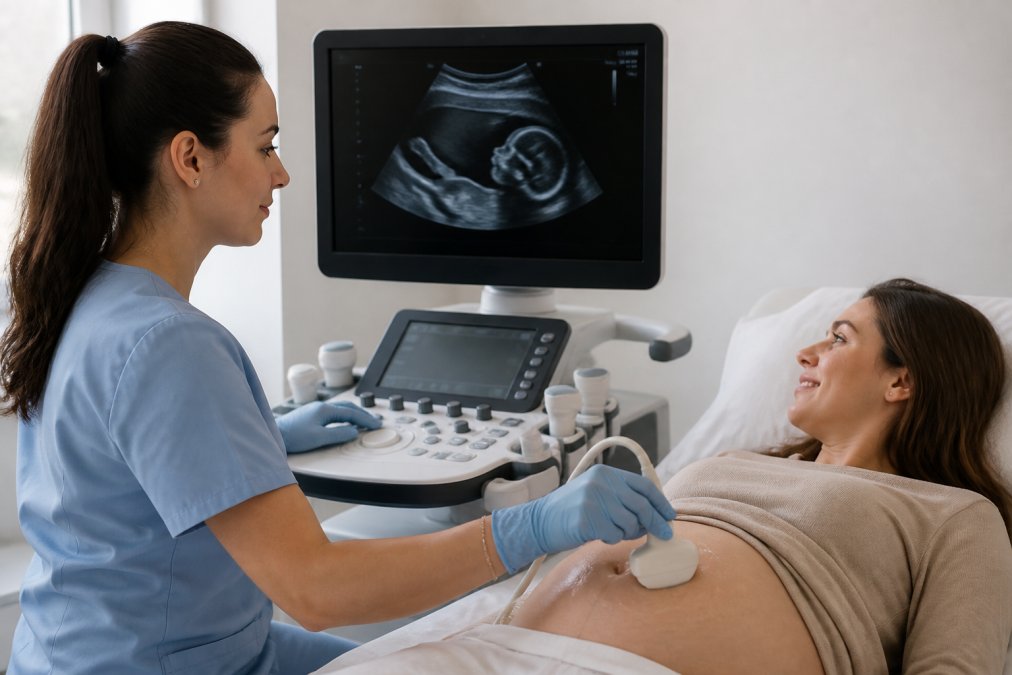
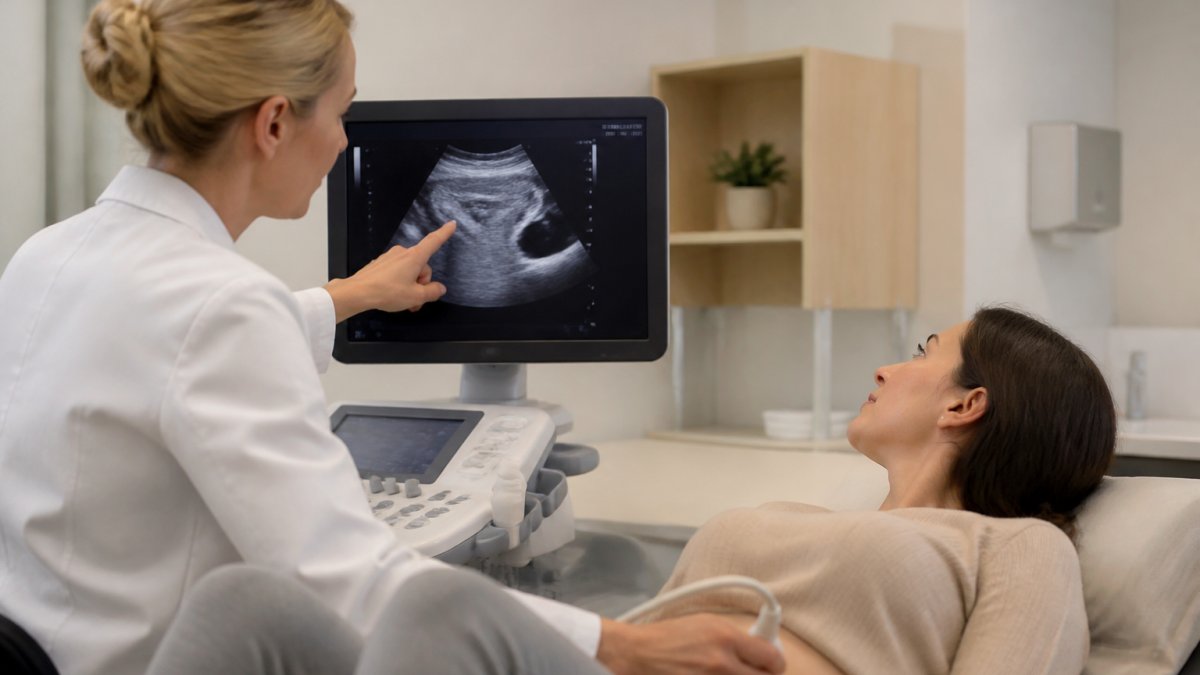
 comparison
Diagnostic Scan vs Souvenir Scan: Key Differences
Table of Contents
- What Is a Diagnostic Pregnancy Scan?
- What Is a Souvenir Scan?
- Clinical Purpose: Diagnostic Imaging vs Keepsake Imagery
- Qualifications and Training of Sonographers
- Private Pregnancy Scan Safety Standards and Regulatory Compliance
- Questions to Ask During Your Viability Scan
- Choosing a CQC Registered Ultrasound Clinic
- Why Professional Diagnostic Care Matters
- Frequently Asked Questions
Last Updated: September 23, 2026
What Is a Diagnostic Pregnancy Scan?
A diagnostic scan souvenir scan differs fundamentally from a medical ultrasound examination performed by a qualified sonographer to assess fetal development, maternal health, and pregnancy viability. Unlike souvenir scans, diagnostic imaging serves a clinical purpose: identifying potential complications, confirming dates, measuring growth, and detecting structural abnormalities. These scans are typically ordered by your GP, midwife, or consultant based on clinical need.
Diagnostic scans use standardised protocols and equipment calibrated to medical standards. The sonographer is trained to interpret what they see and provide clinically relevant findings. According to Care Quality Commission guidance on baby scanning services, diagnostic imaging should only be performed by practitioners with appropriate qualifications and professional registration.
At Little Stars 4D Scan, our diagnostic pregnancy scans are performed by qualified female sonographers registered with the Health and Care Professions Council (HCPC), the British Medical Ultrasound Society (BMUS), and the Society of Radiographers (SoR). We provide detailed clinical reports for your GP, consultant, or midwife, ensuring your results feed into your ongoing maternity care. With clinics in Nottingham, Sheffield, and Stoke-on-Trent, we offer same-week appointments so you don't have to wait for reassurance.
What Is a Souvenir Scan?
A souvenir scan is a non-diagnostic ultrasound performed primarily to create keepsake images or videos of the baby. These scans are elective, not medically necessary, and are marketed as bonding experiences or to determine fetal sex for entertainment purposes. The key distinction: souvenir scans are not medical tests.
Souvenir scanning sits outside the diagnostic imaging pathway. Research from the British Medical Journal on high street souvenir scanning highlighted that staff performing these scans are not required to hold medical qualifications or professional registration in ultrasound interpretation. This means the person operating the equipment may not be trained to identify clinical concerns, even if they accidentally appear on screen.
The environment also differs. Souvenir clinics typically operate in high street settings without the clinical oversight, equipment maintenance standards, or safety protocols required in diagnostic facilities. Prolonged ultrasound exposure is another concern: Nursing Times research on souvenir baby scans noted that non-diagnostic scans may involve more intense and prolonged ultrasound exposure than standard antenatal care, raising questions about the ALARA principle (As Low As Reasonably Achievable).
Clinical Purpose: Diagnostic Imaging vs Keepsake Imagery
A diagnostic scan souvenir scan answers a medical question: Is the baby growing normally? Are there signs of complications? A souvenir scan answers a personal question: What does my baby look like? Diagnostic scans follow clinical pathways with referral from your GP or midwife, documented findings in medical records, and a clear protocol if abnormalities appear. You receive a formal report suitable for clinical decision-making.
Souvenir scans operate outside this framework with no clinical referral, no integration with NHS maternity records, and no obligation to report abnormal findings. If the operator notices something concerning, they may simply tell you to "ask your GP", potentially delaying proper assessment.
Qualifications and Training of Sonographers
Diagnostic sonographers complete formal training, typically a three-year degree or postgraduate diploma, followed by professional registration with the HCPC, BMUS, or SoR. They study anatomy, pathology, equipment physics, and clinical interpretation, with registration requiring continuing professional development and adherence to a code of conduct.
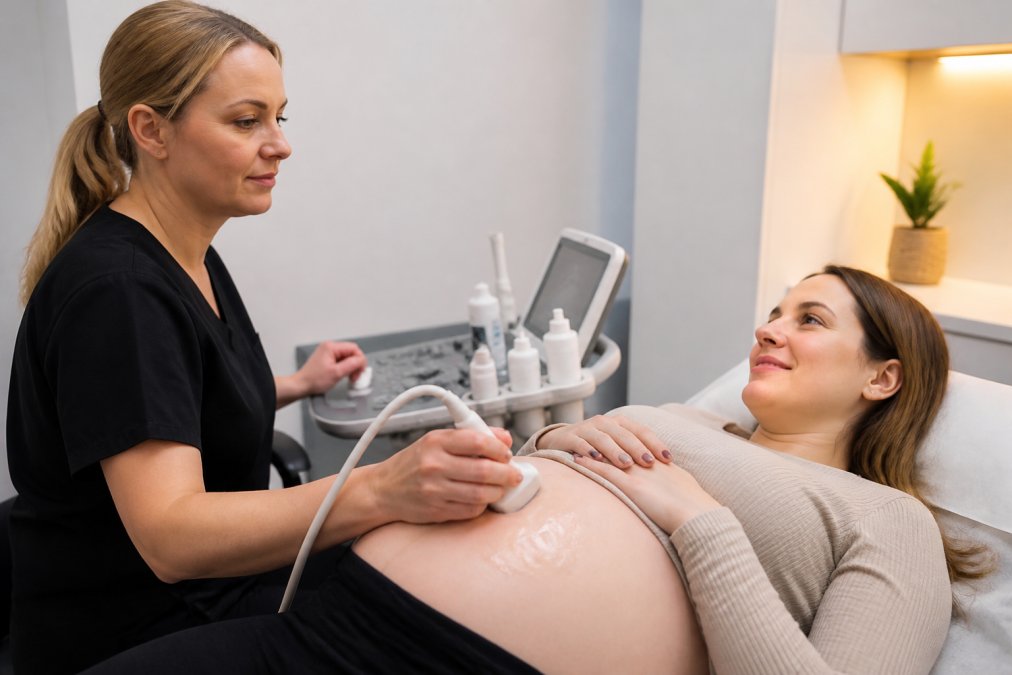
Souvenir operators may have no formal ultrasound training, completing only short online courses or in-house training lasting days or weeks. They are not required to hold professional registration, understand pathology, or know how to respond to abnormal findings.
A qualified sonographer can distinguish between normal and abnormal anatomy and understand when findings warrant urgent referral. An unqualified operator cannot and may miss serious abnormalities or misidentify normal structures as problems.
Private Pregnancy Scan Safety Standards and Regulatory Compliance
Diagnostic ultrasound is a regulated medical procedure in the UK. The Care Quality Commission (CQC) inspects and registers private clinics to ensure they meet safety and quality standards for staff qualifications, equipment maintenance, infection control, and clinical governance. Non-diagnostic (souvenir) clinics are not routinely regulated by the CQC, creating a two-tier market: regulated diagnostic services with accountability, and unregulated souvenir services with minimal standards.
What CQC Registration Actually Covers
When a clinic is CQC-registered, inspectors have verified:
- Staff qualifications: Sonographers hold recognised ultrasound qualifications and professional registration
- Equipment maintenance: Ultrasound machines are serviced regularly and calibrated to safety standards
- Infection control: Probes are cleaned and disinfected between patients; single-use probe covers are used
- Clinical governance: There's a system for recording findings and responding to adverse events
- Safeguarding: The clinic has policies to protect vulnerable patients
- Health and safety: The environment meets standards for electrical safety and emergency procedures
The ALARA Principle in Practice
What to Check Before Booking
Before choosing any private scan clinic, verify the following:
- CQC registration: Search the clinic name on the CQC website. Some clinics claim to be "CQC-compliant" without being registered, this is not the same thing.
- Sonographer credentials: Ask for the sonographer's HCPC, BMUS, or SoR registration number and verify it online.
- Clinical reporting: Confirm you'll receive a written report suitable for your GP or midwife, including measurements, findings, and follow-up recommendations.
- Equipment maintenance: Ask when the ultrasound machine was last serviced and calibrated.
- Infection control: Observe whether the sonographer uses a fresh probe cover and ask about disinfection protocols.
- Scan duration: For a standard diagnostic scan, expect 15-25 minutes. Clinics advertising 45-minute "luxury" scans suggest prolonged exposure for entertainment rather than clinical necessity.
- Incidental findings protocol: Ask what happens if something unexpected appears. A professional clinic will have a clear process: discussion with you, documentation, and advice to contact your GP or midwife.
Questions to Ask During Your Viability Scan
Before your scan, clarify the clinical purpose with your healthcare provider. During the appointment, ask:
- What is the sonographer's professional qualification and registration?
- Is this clinic CQC-registered?
- What is the clinical purpose of this scan?
- Will findings be documented in my medical records?
- If something abnormal is found, what happens next?
- How will results be communicated to my GP or midwife?
- Will I receive a written report?
Choosing a CQC Registered Ultrasound Clinic
CQC registration is your assurance of regulated diagnostic care. When selecting a private clinic, verify CQC registration on the CQC website. Registration confirms the clinic meets standards for staff qualifications, equipment safety, infection control, and clinical governance.
Beyond registration, consider these factors:
- Sonographer qualifications: Ask for HCPC, BMUS, or SoR registration details
- Clinical reporting: Ensure you receive a detailed report suitable for your GP or midwife
- Integration with NHS care: Confirm findings will be shared with your healthcare provider if needed
- Appointment availability: Same-week or next-day appointments reduce anxiety
- Practitioner gender: If you prefer a female sonographer, confirm availability
- Supportive environment: The clinic should feel calm and professional, not rushed or sales-focused
Why Professional Diagnostic Care Matters
Diagnostic ultrasound is not just about seeing your baby, it's about identifying risks early, confirming healthy development, and ensuring you receive appropriate care. Professional diagnostic care provides accountability, clinical integration, and safety standards that souvenir scanning cannot match.
Frequently Asked Questions
What is the primary purpose of a diagnostic pregnancy scan?
A diagnostic pregnancy scan is a medical test performed to assess fetal health, viability, and development. Conducted by qualified sonographers using clinical-grade ultrasonography, it provides clinically relevant information about gestational age, fetal measurements, placental position, and structural development. The scan generates detailed medical records for your GP, consultant, or midwife, forming part of your official antenatal care pathway. Unlike souvenir scans, diagnostic imaging is designed to detect potential health concerns and guide clinical decision-making.
Can a souvenir scan replace a routine NHS pregnancy scan?
No. Souvenir scans are not a replacement for routine NHS antenatal screening. The NHS scan is a medical assessment performed as part of your standard pregnancy care pathway. Souvenir scans, performed in the high street sector by non-qualified staff, lack the clinical oversight and diagnostic accuracy needed for medical assessment. If you choose a souvenir scan, you still require your NHS appointments. Little Stars 4D Scan in Nottingham, Sheffield, and Stoke-on-Trent offers diagnostic pregnancy scans that provide genuine clinical reassurance alongside professional reporting for your healthcare team.
Why is it important to choose a clinic with qualified sonographers?
Qualified sonographers hold professional registration with bodies such as the HCPC, BMUS, or SoR, and have undergone formal training in diagnostic ultrasound. They understand sound wave physics, image quality standards, the ALARA principle (minimising ultrasound exposure), and can recognise normal and abnormal findings. Unqualified staff in non-regulated services lack this training, increasing the risk of misinterpretation, false reassurance, or unnecessary anxiety. Choosing a CQC-registered clinic with qualified female sonographers ensures your scan is performed to clinical standards and your results are reliable.
What are the clinical differences between 2D, 3D, and 4D ultrasound scans?
2D ultrasound produces flat, cross-sectional images and remains the standard for diagnostic assessment because it provides the clearest clinical detail for measuring fetal structures and assessing health. 3D ultrasound creates a static three-dimensional image, useful for visualising facial features or specific structures. 4D ultrasound adds real-time motion to 3D imaging, showing movement but offering no additional diagnostic benefit over 2D. For genuine diagnostic information, 2D imaging is most clinically relevant. At Little Stars 4D Scan in Nottingham, Sheffield, and Stoke-on-Trent, diagnostic scans prioritise clinical accuracy; premium 4D scans are available for those seeking bonding experiences alongside professional care.